
New Post: Main Feed
Sort Feed By:
👍
🧡
😄
😮
😐
😢
😠
👍
🧡
😄
😮
😐
😢
😠
 /groups/00 CryptMsg Bug Reporting Group
JWSmythe - 2 months ago [none]
This is the CryptMsg bug reporting group. If you found a problem, look to see if it has been reported. If it hasn't, make your own post. If it has leave constructive feedback on the existing post.
Details are always very important, something you think is important that wasn't mentioned may make the difference between it getting fixed, or chasing it as an intermittent bug.

👍
🧡
😄
😮
😐
😢
😠
👍
🧡
😄
😮
😐
😢
😠
 Public Feed
👍
🧡
😄
😮
😐
😢
😠
👍
🧡
😄
😮
😐
😢
😠
👍
🧡
😄
😮
😐
😢
😠
👍
🧡
😄
😮
😐
😢
😠
👍
🧡
😄
😮
😐
😢
😠
 Public Feed
👍
🧡
😄
😮
😐
😢
😠


👍
🧡
😄
😮
😐
😢
😠
Public FeedJWSmythe - 3 months ago
Test post, showing advanced blocks.
Code:
<!DOCTYPE html>
<html>
<head>
<title>PHP Test</title>
</head>
<body>
<?php echo '<p>Hello World</p>'; ?>
</body>
</html>
Quote:
Lorem ipsum dolor sit amet, consectetur adipiscing elit. Sed a velit mauris. Cras porta odio non leo lobortis fringilla. Curabitur a mi a turpis pharetra consectetur vel non tellus. Duis porttitor est condimentum, pulvinar ante in, imperdiet nisi.
Suspendisse ac augue consequat est tincidunt pellentesque eget vel ipsum. Morbi porttitor libero nec rutrum imperdiet. Morbi massa orci, hendrerit ac imperdiet at, blandit at elit. Suspendisse metus mauris, ultricies sit amet massa sed, accumsan imperdiet elit. Sed ut diam ut lorem elementum mollis. Pellentesque nisl libero, placerat tincidunt tempor nec, varius nec nibh. Nulla ultricies elit augue, eu finibus erat lobortis id. Pellentesque eu posuere sem.
👍
🧡
😄
😮
😐
😢
😠
 Public Feed
👍
🧡
😄
😮
😐
😢
😠
 Public Feed
👍
🧡
😄
😮
😐
😢
😠
Public FeedJWSmythe - 3 months ago
No longer
This is a BOLD and exciting post
line 4
line 5
line 6
👍
🧡
😄
😮
😐
😢
😠
👍
🧡
😄
😮
😐
😢
😠
👍
🧡
😄
😮
😐
😢
😠
Public FeedJWSmythe - 3 months ago
This is a friends post, for my friends to see
<quote>Quoting you, saying something smart or funny</quote>
👍
🧡
😄
😮
😐
😢
😠
Public FeedJWSmythe - 4 months ago
Code:
This is bold text with bracket b bracket
This is italic text with bracket i bracket
This is underlined text with bracket u bracket
This is bold text with double asterisks
👍
🧡
😄
😮
😐
😢
😠
Public FeedJWSmythe - 4 months ago
Quote:
This is bold text with bracket b bracket
This is italic text with bracket i bracket
This is underlined text with bracket u bracket
This is bold text with double asterisks
👍
🧡
😄
😮
😐
😢
😠
Public FeedJWSmythe - 4 months ago
Code:
'/\[b\](.*?)\[\/b\]/is' => '<strong>$1</strong>',
'/\[i\](.*?)\[\/i\]/is' => '<em>$1</em>',
'/\[u\](.*?)\[\/u\]/is' => '<u>$1</u>',
👍
🧡
😄
😮
😐
😢
😠
Public FeedJWSmythe - 4 months ago
This is bold text with bracket b bracket
This is italic text with bracket i bracket
This is underlined text with bracket u bracket
This is bold text with double asterisks
👍
🧡
😄
😮
😐
😢
😠
👍
🧡
😄
😮
😐
😢
😠
Public FeedJWSmythe - 4 months ago
Code:
This is code
if (!isset($pieces[0])){ $pieces[0] = ''; }
if (!isset($pieces[1])){ $pieces[1] = ''; }
if (!isset($pieces[2])){ $pieces[2] = ''; }
with bracket code bracket
👍
🧡
😄
😮
😐
😢
😠
Public FeedJWSmythe - 4 months ago
This is a test post.
The second paragraph.
Some <a href='example.org'>forbidden html link</a>
A forbidden image tag
<img src='https://images.cryptmsg.com/photos/default-avatar.png'>
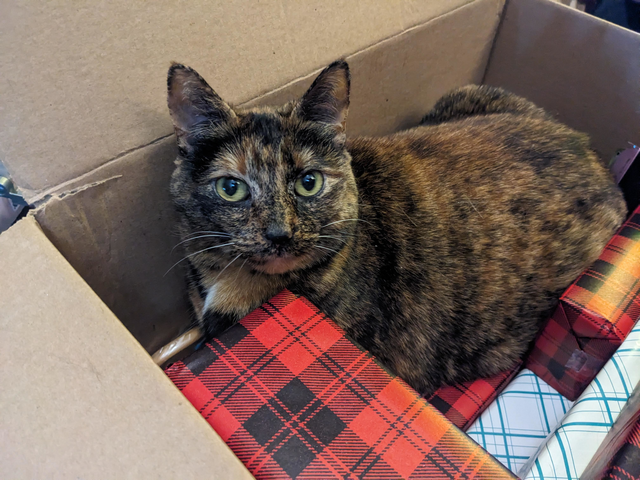
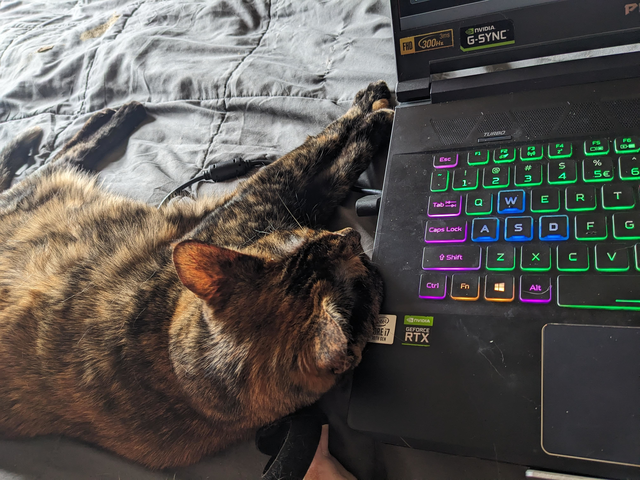
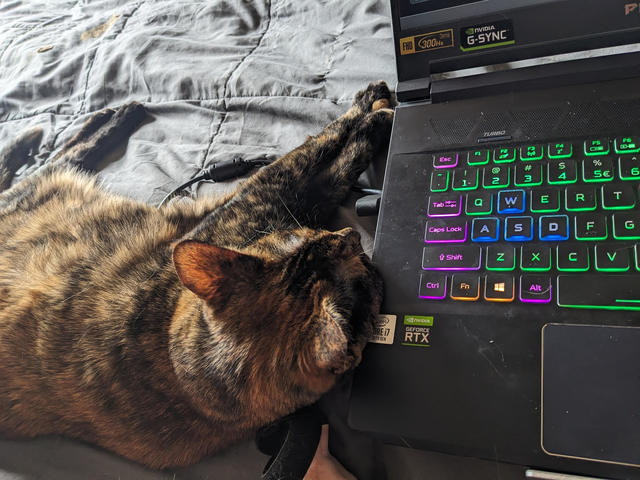
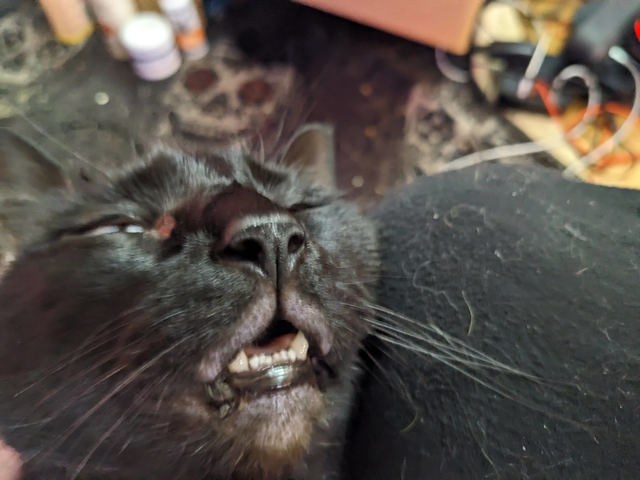
And two cat pictures.
👍
🧡
😄
😮
😐
😢
😠